background

In 2024, Miami-Dade County’s Housing and Community Development Department (HCD) received a Choice Neighborhood Planning Grant awarded by the U.S. Department of Housing & Urban Development for the redevelopment .

The application identified 70 units of the larger 210-unit Annie Coleman 16 public housing development as the Target Housing Site for redevelopment. In September 2024, Miami-Dade County HCD was granted the Planning Grant, which will help the County and its partners create a vision for the future of the community and build significant positive momentum for revitalization.

This initiative will be a two-year, community-driven planning process and will engage public housing residents, neighborhood residents, local businesses and other stakeholders to create a Transformation Plan for the community.

The transformation plan is required to focus on three core areas:

Housing: The Plan would explore the redevelopment of the 70 units that are part of the Target Site within the Annie Coleman 16 public housing development. The new units would bring high-quality affordable housing as part of new mixed-income developments in the neighborhood intended for formerly relocated residents and future tenants.

People: The Plan would connect partners in the city and neighborhood to fill gaps in existing programs and services to ensure residents have access to a good education, affordable childcare, healthy food, safe places to play, and quality job opportunities.

Neighborhood: The Plan would create a vision for strengthening the neighborhood through new and improved parks, walkability, public transportation, stores, and other amenities.

planning area

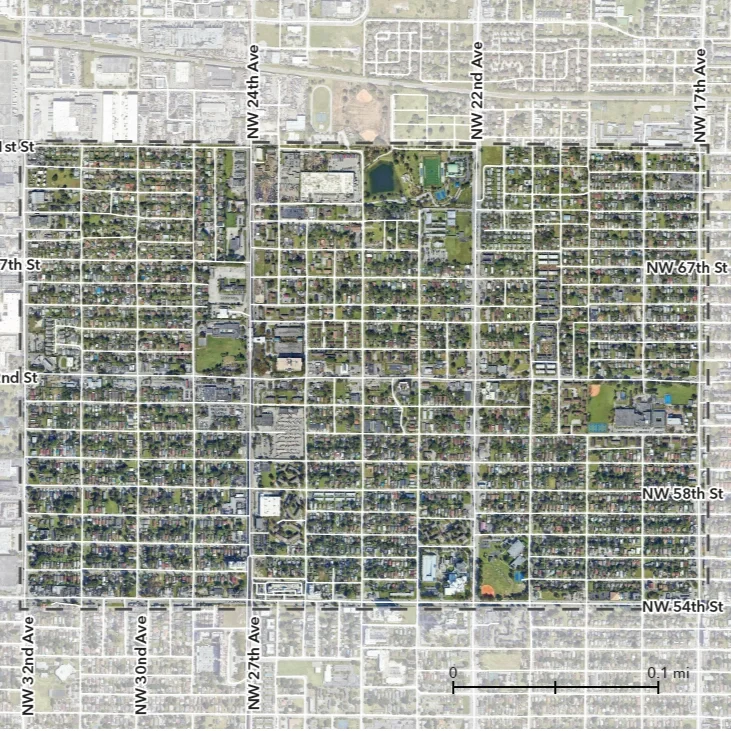
The MLK Station neighborhood is located approximately four miles northwest of Downtown Miami in unincorporated Miami-Dade County and is bounded by NW 71St Street on the north, NW 54th Street on the south, NW 22nd Ave on the east, and NW 32nd Ave on the west.

The neighborhood is centered on the Dr. Martin Luther King Jr. Station of the Miami Metrorail system, a 25-mile elevated rail system that provides access throughout the urban core seven days a week.

The target neighborhood boundaries are approximately one-half mile radius from the Metrorail station. MLK Station overlaps and intersects with several other neighborhoods such as Brownsville, Liberty City and Model City. 

Target Housing Site: annie coleman 16

The target public housing site, which consists of 70 units, was constructed in 1966 in a series of two-story garden-style buildings spread over three separate sites.

These 70 units are a portion of a larger 210-unit development named Annie Coleman 16, which is a scattered site development primarily located outside of the eastern boundary of the target neighborhood.

In 2019, residents were offered the opportunity to voluntarily relocate from Annie Coleman 16 through the use of public housing transfers and the issuance of Housing Choice Vouchers due to an on-going and pervasive gun violence epidemic in and around the target site as well as the physical condition of the units.

process

The planning process for the MLK Station Choice Plan will take approximately two and a half years to complete, with March 2027 being the anticipated deadline to submit the Transformation Plan. 

We will gather feedback from community residents and partners to understand the area’s context. This is important to ensure the plan fits the needs of the MLK Station neighborhood, now and into the future.

Planning Team

Presentations, materials, and meeting summaries

  • [LINK]

Frequently asked questions


What is a Choice Neighborhood?

The Choice Neighborhood (CN) program is a grant from the Federal Department of Housing and Urban Development (HUD) and will help revitalize the Martin Luther King Jr. Station neighborhood.. Managed by the Miami-Dade County (MDC) Department of Housing and Community Development, the funding will support redevelopment of the former Annie Colemand 16 and Jollivette Homes - public housing consisting of 116 units. This grant will help with three main values:

  • People: connect former and current residents that reside in or around the MLK Station Neighborhood with resources that support their growth in education programs, access to affordable childcare, healthy food options, safe recreational areas, employment opportunities, and mobility; 

  • Housing: redevelop housing units with financially viable, high quality mixed-income residential and other needs as part of a larger neighborhood investment strategy; and 

  • Neighborhood: improve the quality of life for residents in the MLK Station Neighborhood by creating a viable, mixed-income community with access to services and amenities that improves living conditions and encourages investment (e.g., schools, educational programs, recreational areas, commercial development, public transportation, employment, and infrastructure).


MDC Housing and Community Development Received funding, what happens now?

MDC HCD received a $500,000 CN Planning grant to support the revitalization of the MLK Station Neighborhood, specifically the Annie Coleman 16 development. They will lead a planning initiative to create a guiding document for neighborhood investment and redevelopment of public housing into a mixed-income community. The timeline for this project is about 2.5 years with an anticipated completion date in March 2027.

Together with residents, public and private agencies, community and philanthropic organizations, and other stakeholders, MDC will work to assess existing conditions, identify needs, and leverage resources to help carry out and implement the plan.


What role do residents (current and former) play in the creation of this plan?

Residents are encouraged to participate in the planning process from start to finish to help create a plan that reflects their needs and concerns. Their knowledge, feedback, and insight on the MLK Station Neighborhood will help to reimagine, design, and implement the policy and physical changes necessary to revitalize the community. This planning initiative is about forming relationships, helping families and neighbors, and aspiring to create a thriving place for all.

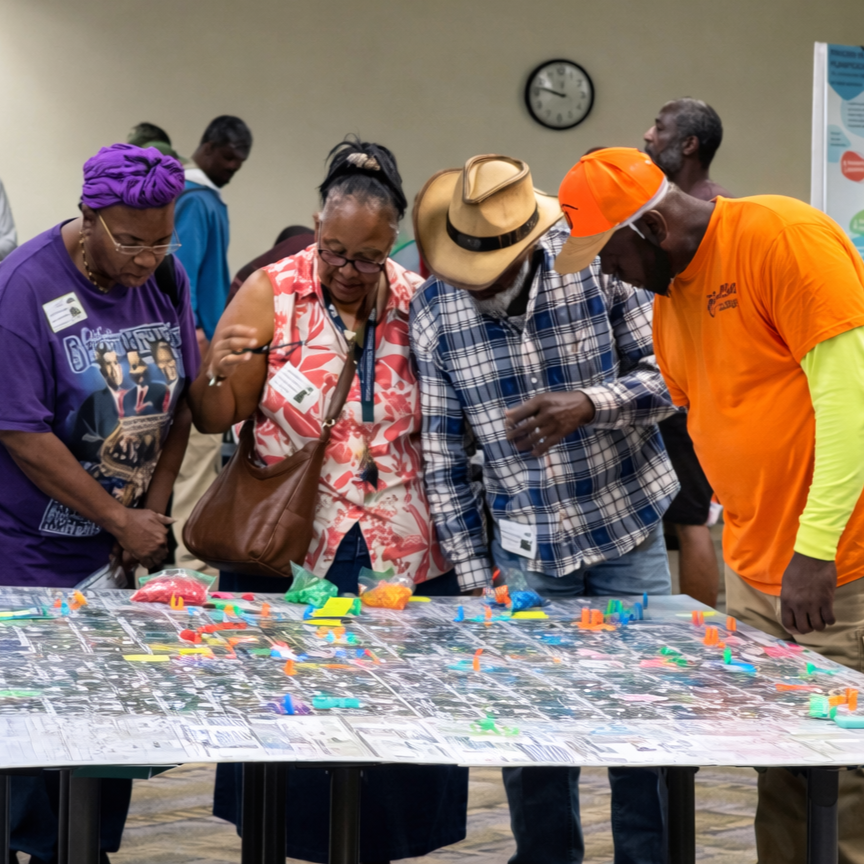
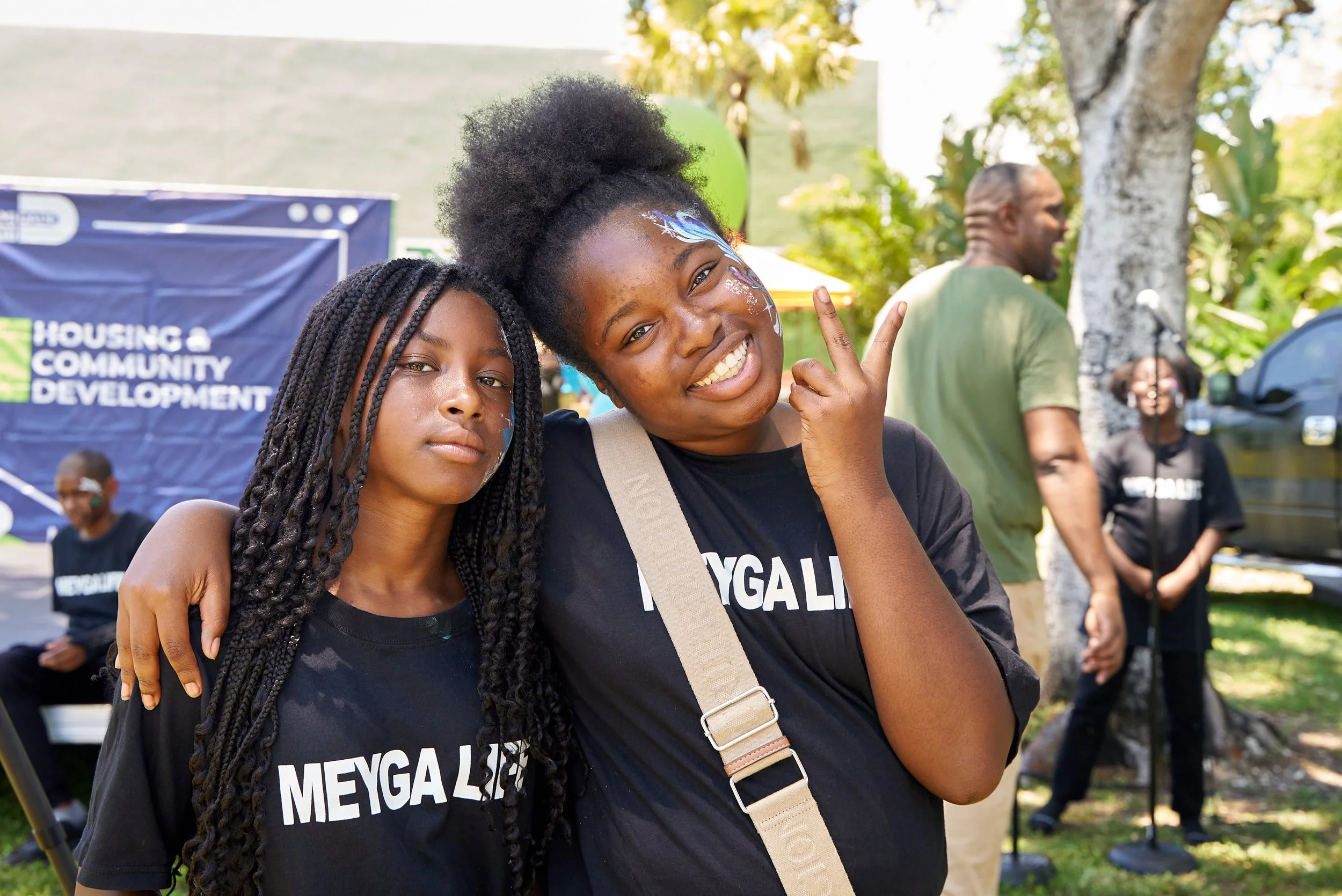
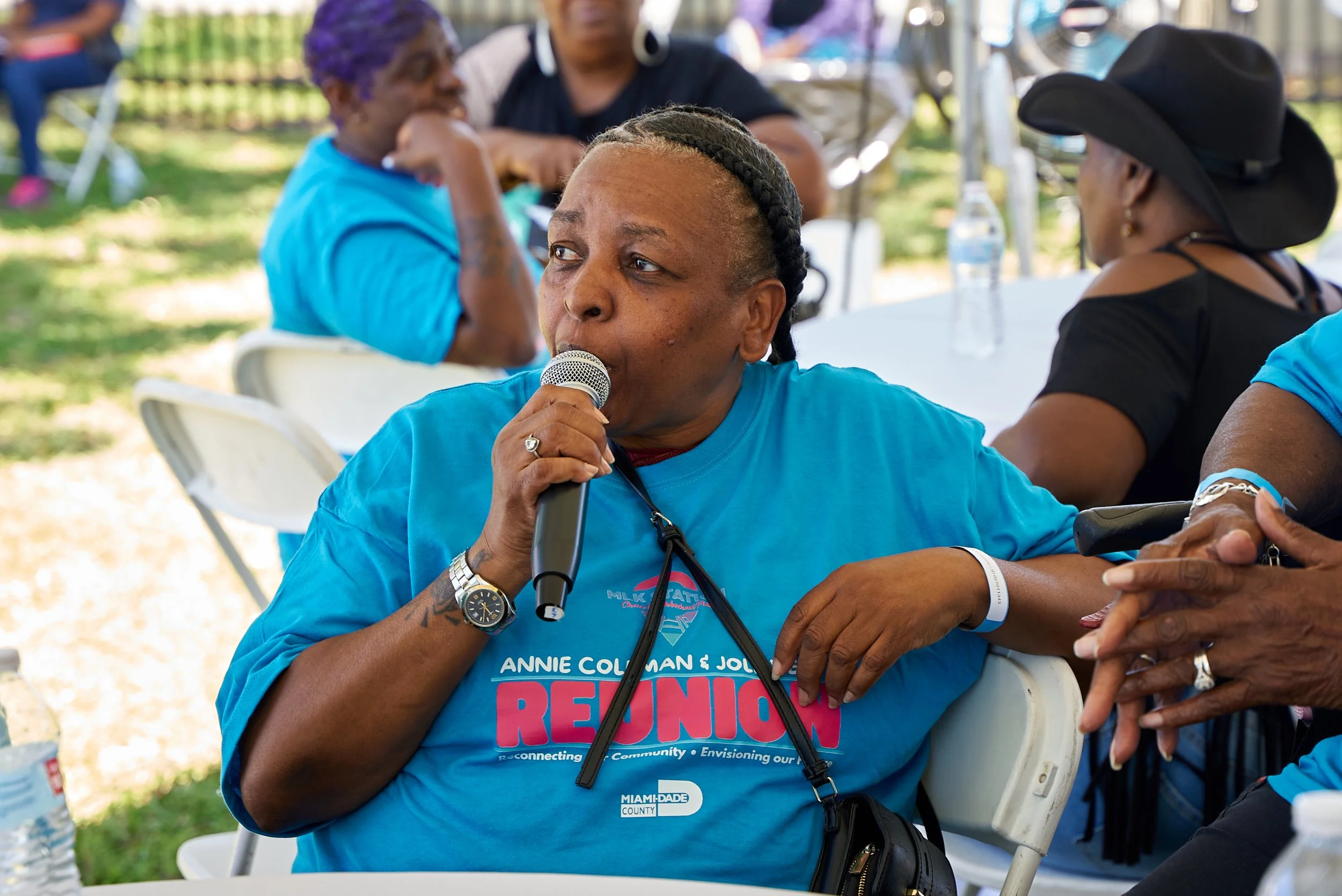
Residents can engage with the plan by participating in community meetings and workshops, interacting in group activities, and attending fun events.


What neighborhood improvements are possible?

This depends largely on residents and market conditions. Previous CN plans have led the reuse of vacant school buildings, redeveloping retail storefronts, the development of new grocery stores,  improved parks and open space, invested in safer sidewalks, streets, and bike paths, and created business incubators.


What is the Early Action Activity?

As part of the CN Planning Grant, approximately $150,000 will be dedicated to identifying and building an Early Action Activity in the MLK Station Neighborhood. The short-term goal aims to encourage residents to help identify, lead, and implement a project that enhances the community with placemaking ideas such as public art, cultural promotion, and economic growth.


What is mixed-income housing?

Mixed-income housing is defined as providing high-quality, affordable housing in an area for people of various income levels. Households, the people living within a residential unit, with low to moderate or higher incomes live next to one another. This helps long time residents remain in the community, reduces fear of displacement, and keeps them in proximity to city services and employment.


How much housing will be redeveloped and where would it go?

The quantity and type of housing will depend on community feedback, data analysis, and market conditions. A market study will be performed to help determine options that are financially feasible. The CN plan requires 100% replacement of the housing units as part of new mixed-income community.


Do residents need to move out during the planning process?

No, residents do not need to move out. The planning process will involve the exploration of potential future housing options. 


What happens after the MLK Station Choice Neighborhood Plan is completed?

MDC will identify and create partnerships with public and private agencies, community and philanthropic organizations, and other stakeholders to generate funds that helps implement the goals stated in the plan. MDC will also apply for HUD’s CN Implementation Grant to help leverage additional financial resources.